Africa Draws Billions in New Climate Finance, Renewable Deals Surge
- Sep 25, 2025
- 5 min read
The African continent is experiencing an unprecedented surge in climate finance commitments, with billions of dollars flowing into renewable energy projects and sustainable development initiatives. Recent developments from the Second Africa Climate Summit and ongoing institutional reforms signal a fundamental shift in how global investors view Africa's role in the clean energy transition.
Record-Breaking Financial Momentum
Climate finance flows to Africa have demonstrated remarkable growth trajectories, with funding increasing by 48% to USD 44 billion in 2021/2022, up from USD 30 billion in the previous reporting period. This substantial increase reflects growing international recognition of Africa's potential as both a climate solution provider and a critical market for sustainable development investments.
The private sector component of this financial surge has been particularly striking, with private climate finance doubling to reach USD 8 billion during the same timeframe. This growth indicates increasing confidence among institutional investors and private equity firms in Africa's renewable energy sector and climate adaptation projects.
The momentum reached a crescendo at the recent Second Africa Climate Summit in Addis Ababa, which concluded with multi-billion-dollar financial pledges that could reshape the continent's energy landscape. The summit's outcomes represent a coordinated effort to position Africa not merely as a recipient of climate finance, but as an active participant in global climate solutions.
Institutional Infrastructure Development
Breakthrough funding mechanisms emerge
The summit achieved several institutional breakthroughs, most notably the establishment of the Africa Climate Innovation Compact (ACIC) and African Climate Facility (ACF). These complementary initiatives have committed to mobilizing $50 billion annually in catalytic finance specifically designed to champion climate solutions across the continent.
The ACIC framework aims to deliver 1,000 African-led solutions to tackle climate challenges across five critical sectors: energy, agriculture, water, transport, and resilience. This target represents an ambitious scaling of indigenous innovation capacity, moving beyond traditional development models toward locally-driven climate technology deployment.
A particularly significant development was the operationalization of the long-awaited African Climate Change Fund, supported by the African Development Bank. This facility will channel green bonds and innovative financing instruments specifically calibrated for Africa's unique economic and environmental conditions, addressing decades of structural imbalances in global climate finance flows.
Private Sector Investment Acceleration
The doubling of private sector climate finance signals a fundamental shift in investor sentiment toward African renewable energy projects. This growth stems from several converging factors: improving policy frameworks, technological cost reductions, and enhanced project bankability across multiple African markets.
International development finance institutions have played a catalytic role in de-risking private investments through blended finance mechanisms and guarantee structures. These instruments have proven particularly effective in mobilizing pension funds, insurance companies, and sovereign wealth funds for large-scale renewable energy infrastructure projects.
Key investment trends include:
Solar photovoltaic projects dominating new capacity additions
Wind energy development expanding beyond traditional markets
Battery storage integration becoming standard for grid stability
Mini-grid solutions addressing rural electrification needs
Green hydrogen production facilities attracting strategic investors
Renewable Energy Deal Flow Intensifies
The renewable energy sector has emerged as the primary beneficiary of increased climate finance flows, with deal activity spanning utility-scale solar, wind, and hybrid projects across multiple African markets. South Africa, Kenya, Nigeria, and Morocco continue to lead in terms of both project volumes and financial commitments, while emerging markets including Ghana, Senegal, and Tanzania are attracting growing investor attention.
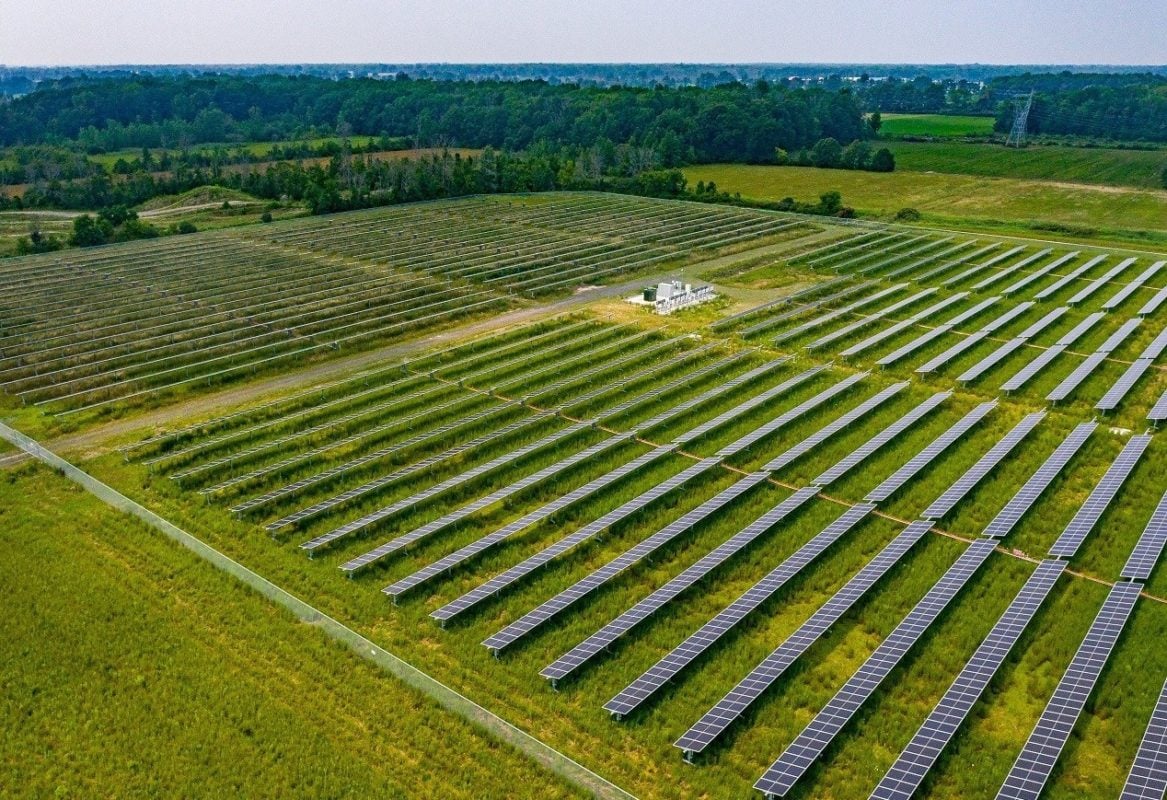
Utility-scale solar projects have demonstrated particular momentum, benefiting from dramatic cost reductions and improved financing terms. The technology's modularity and relatively predictable development timelines have made it attractive to international project developers and institutional investors seeking exposure to Africa's energy transition.
Wind energy development has similarly accelerated, particularly in markets with established regulatory frameworks and grid infrastructure. Hybrid renewable projects combining solar, wind, and battery storage are increasingly common, reflecting both technological maturity and investor demand for dispatchable clean energy solutions.
Addressing the Financing Gap Challenge
Despite these encouraging developments, significant challenges persist in meeting Africa's comprehensive climate finance requirements. Current flows represent only 23% of the estimated annual needs for the continent to implement its Nationally Determined Contributions (NDCs) and achieve 2030 climate targets.
The Africa Group of Negotiators has articulated the scale of this challenge, calling for $1.3 trillion annually in climate finance to be made available from 2025. This figure encompasses both mitigation and adaptation requirements across all sectors, highlighting the substantial scaling needed to align financial flows with climate objectives.
Critical financing gaps exist in:
Rural electrification and distributed energy access
Climate adaptation infrastructure for agriculture and water management
Transportation system decarbonization
Industrial process transformation
Ecosystem restoration and natural climate solutions
Grant-Based Adaptation Finance Priority
African leaders have emphasized a crucial distinction between mitigation and adaptation finance structures, advocating strongly for grant-based adaptation funding rather than loan-based mechanisms that exacerbate existing debt burdens.
This position reflects both legal and practical considerations: adaptation finance represents a recognized obligation under international climate agreements, while debt-based adaptation funding can create unsustainable fiscal pressures for already constrained government budgets.
The focus on grant-based adaptation finance has gained traction among development finance institutions and bilateral donors, with several major announcements of concessional adaptation funding emerging from recent climate conferences and donor coordination meetings.
Governance and Institutional Reform Imperatives
African leaders have united in demanding comprehensive reforms of multilateral development banks to reduce borrowing costs and expand Africa's representation in global financial governance structures. These reforms are viewed as essential for scaling climate finance flows and improving project development timelines.
Proposed institutional changes include:
Enhanced capital adequacy frameworks enabling increased lending capacity
Simplified procurement and environmental review processes
Country-led priority setting and project identification
Local currency financing options to reduce exchange rate risks
Technical assistance programs for project development capacity building
Investment Outlook and Strategic Implications
Current trajectories suggest continued acceleration in climate finance flows to Africa, driven by both regulatory pressures in developed economies and improving risk-return profiles for renewable energy investments. The establishment of dedicated African climate finance institutions creates additional momentum for scaling funding beyond traditional development finance channels.
For global investors seeking exposure to Africa's clean energy transition, the evolving landscape presents both opportunities and considerations. Project selection criteria increasingly emphasize local capacity building, community engagement, and environmental co-benefits beyond carbon reduction metrics.
The renewable energy sector's growth trajectory appears sustainable given technology cost trends, policy support mechanisms, and growing domestic energy demand across African markets. However, successful investment strategies will require careful attention to regulatory frameworks, grid integration challenges, and currency hedging considerations.
Looking ahead, Africa's role in global climate finance is transitioning from recipient to active participant, with indigenous innovation capacity and institutional development creating new pathways for sustainable development finance. The success of current initiatives will largely determine whether the continent can achieve its ambitious climate objectives while maintaining economic growth trajectories essential for poverty reduction and social development.